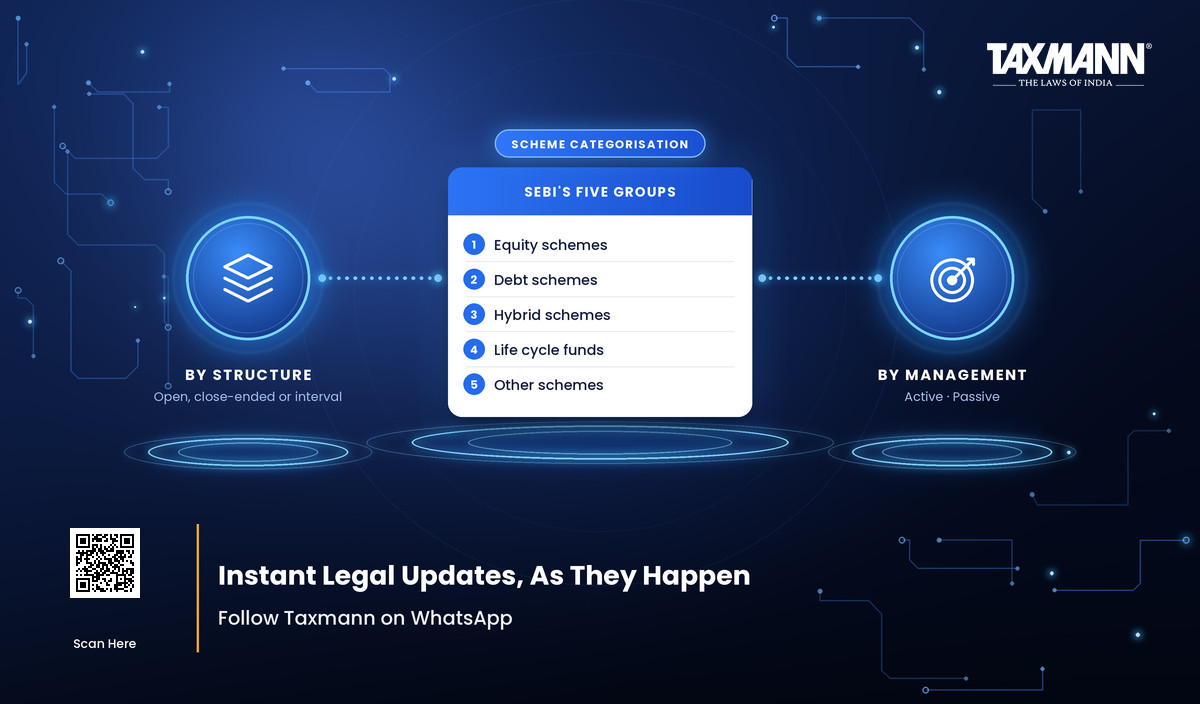
SEBI groups every scheme into five broad categories. Here’s the full map—with market-cap definitions and the multi-cap 25/25/25 rule.
Author: Taxmann
Taxmann Publications has a dedicated in-house Research & Editorial Team. This team consists of a team of Chartered Accountants, Company Secretaries, and Lawyers. This team works under the guidance and supervision of editor-in-chief Mr Rakesh Bhargava.
The Research and Editorial Team is responsible for developing reliable and accurate content for the readers. The team follows the six-sigma approach to achieve the benchmark of zero error in its publications and research platforms. The team ensures that the following publication guidelines are thoroughly followed while developing the content:
- The statutory material is obtained only from the authorized and reliable sources
- All the latest developments in the judicial and legislative fields are covered
- Prepare the analytical write-ups on current, controversial, and important issues to help the readers to understand the concept and its implications
- Every content published by Taxmann is complete, accurate and lucid
- All evidence-based statements are supported with proper reference to Section, Circular No., Notification No. or citations
- The golden rules of grammar, style and consistency are thoroughly followed
- Font and size that's easy to read and remain consistent across all imprint and digital publications are applied
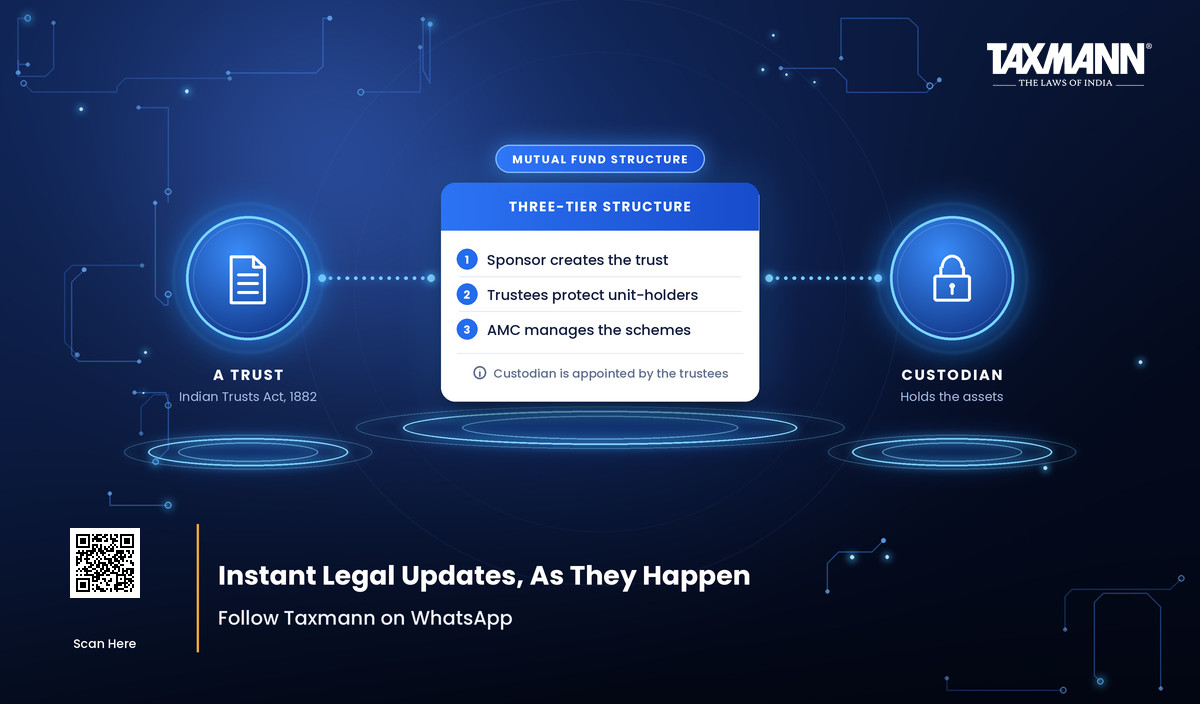
An AMC runs the scheme day to day—but it doesn’t own your money or hold the assets. Here’s the three-tier structure and why it exists.
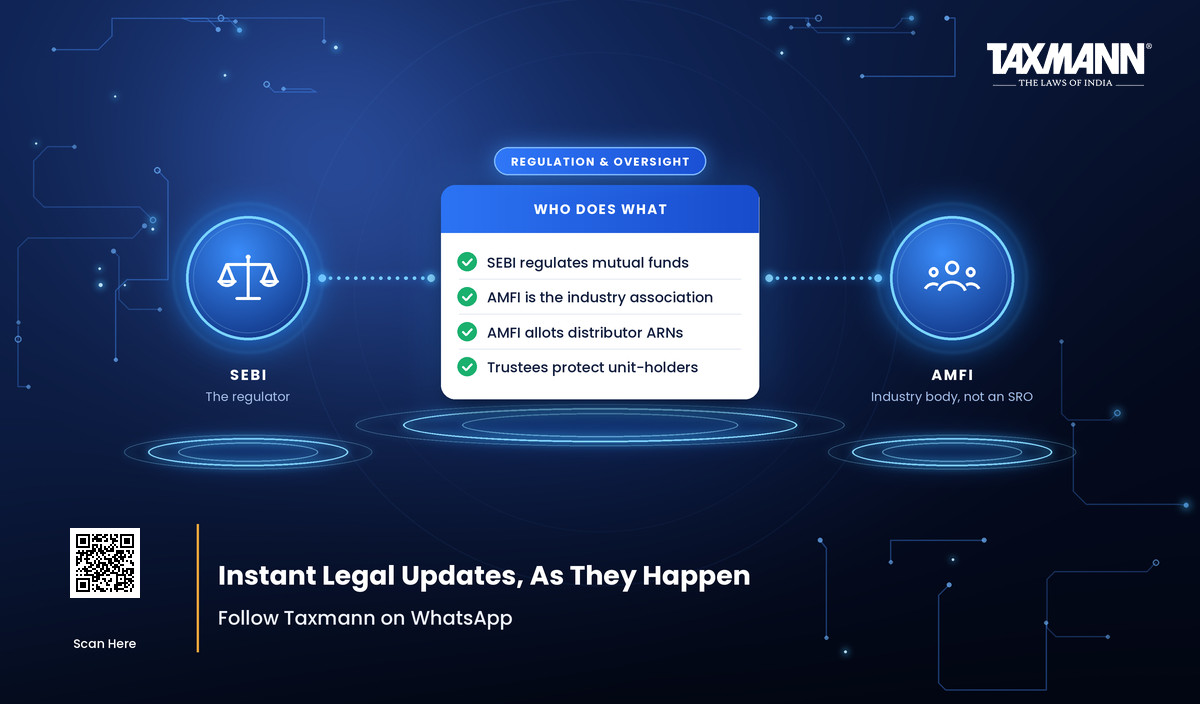
SEBI regulates mutual funds in India. AMFI is not a regulator—here’s who does what, and the distinction most people get wrong.
Three documents govern every mutual fund scheme. Here’s what each one is for—and why “SEBI approved” is a phrase you should never trust.

An NFO is a scheme’s first offer to the public. Here are the three dates that define it, and how pricing works after it closes.

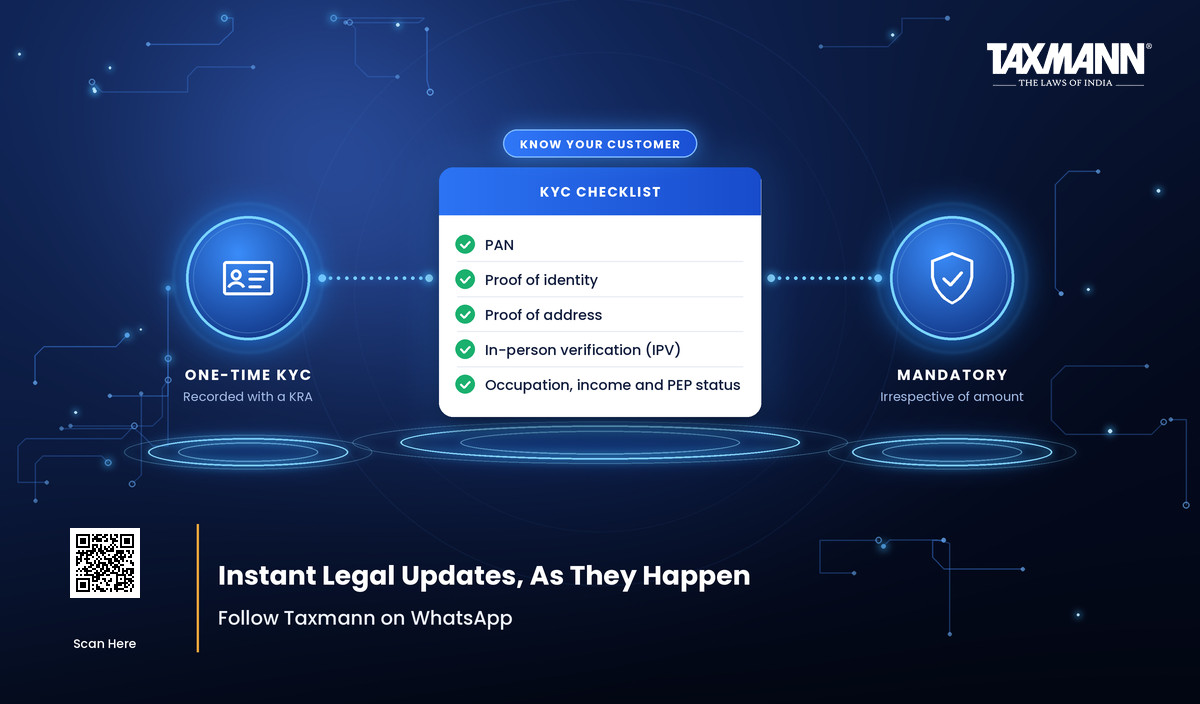
Every mutual fund investor must be KYC compliant, whatever the amount. Here are the documents, the KRA process and the PAN exemptions.
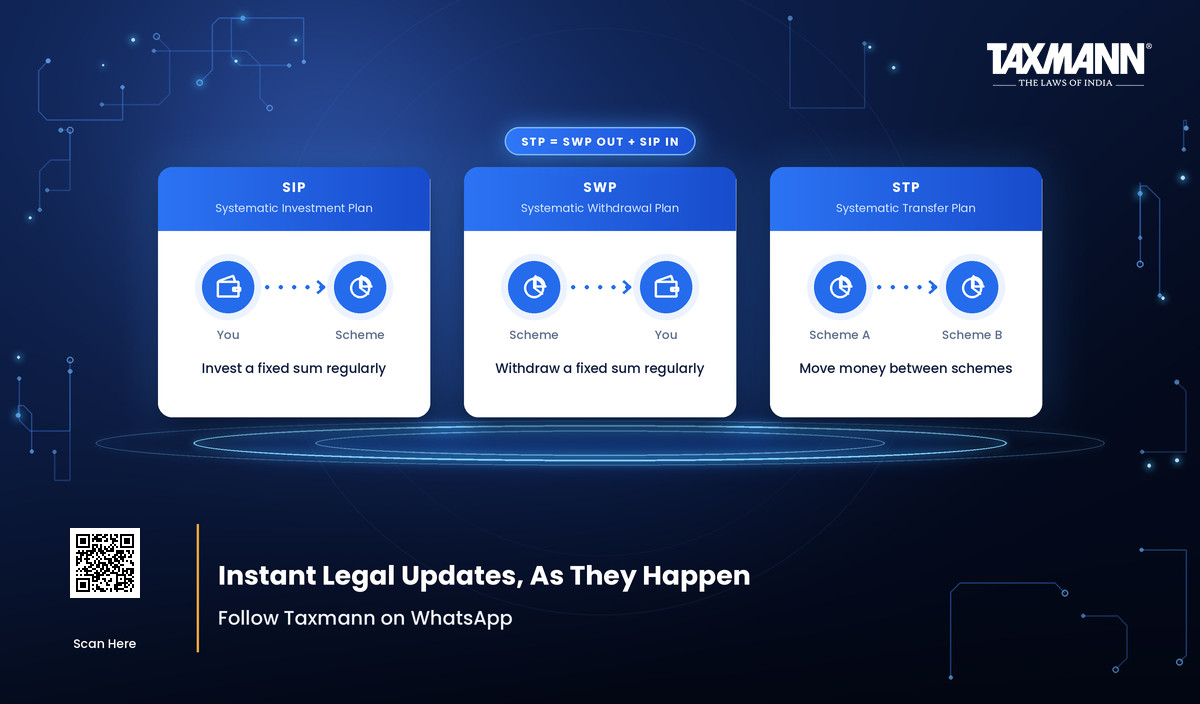
SIP invests regularly, SWP withdraws regularly, STP moves money between schemes. Here’s how each works—with worked examples.
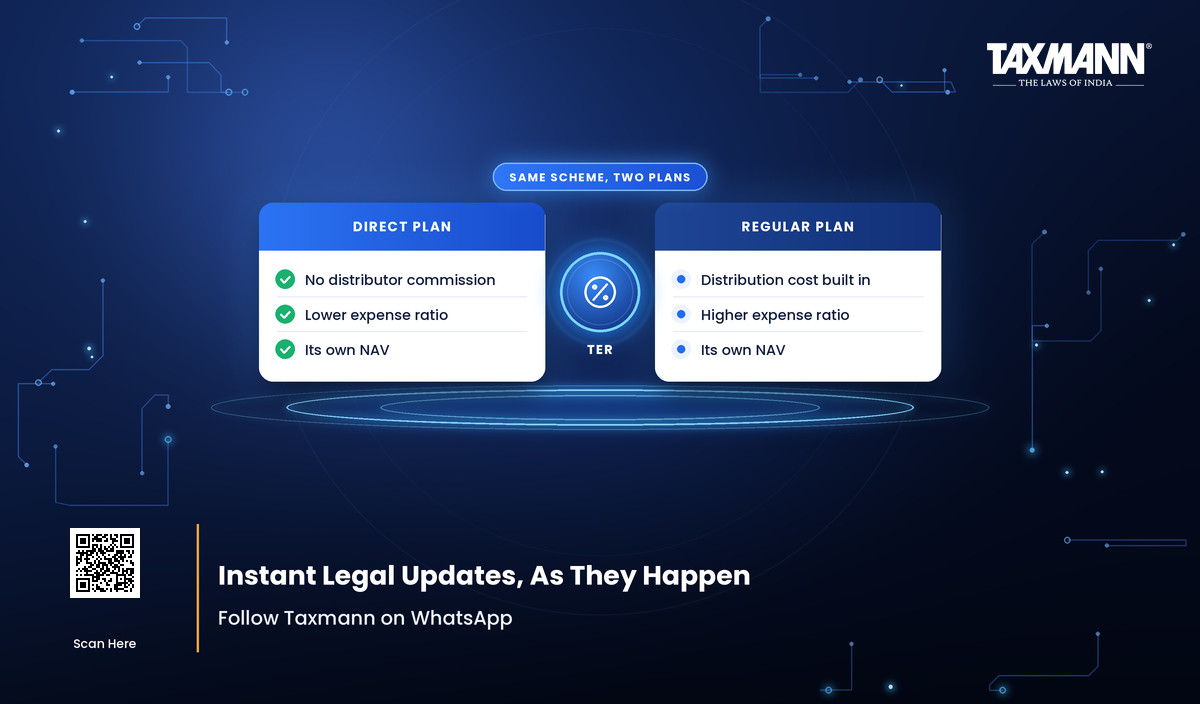
TER is what running the scheme costs you. Here’s why Direct and Regular plans have different NAVs—and where GST sits.
Exit load is a charge on redemption that reduces what you actually receive. Here’s how it’s applied to NAV—with a worked example.

Four ways to measure a mutual fund return—and when each one misleads. With formulae and worked examples.










 CA | CS | CMA


