What a conflict of interest means for bank staff, examples from gifts to insider trading, what an employee owes the bank, how banks manage conflicts, and why related party dealings must be disclosed.
Author: Taxmann
Taxmann Publications has a dedicated in-house Research & Editorial Team. This team consists of a team of Chartered Accountants, Company Secretaries, and Lawyers. This team works under the guidance and supervision of editor-in-chief Mr Rakesh Bhargava.
The Research and Editorial Team is responsible for developing reliable and accurate content for the readers. The team follows the six-sigma approach to achieve the benchmark of zero error in its publications and research platforms. The team ensures that the following publication guidelines are thoroughly followed while developing the content:
- The statutory material is obtained only from the authorized and reliable sources
- All the latest developments in the judicial and legislative fields are covered
- Prepare the analytical write-ups on current, controversial, and important issues to help the readers to understand the concept and its implications
- Every content published by Taxmann is complete, accurate and lucid
- All evidence-based statements are supported with proper reference to Section, Circular No., Notification No. or citations
- The golden rules of grammar, style and consistency are thoroughly followed
- Font and size that's easy to read and remain consistent across all imprint and digital publications are applied

What went wrong in the Satyam scam, at Enron, in the global financial crisis, at PMC Bank and Silicon Valley Bank, and in the LIBOR scandal, and the lessons each case holds for bankers.

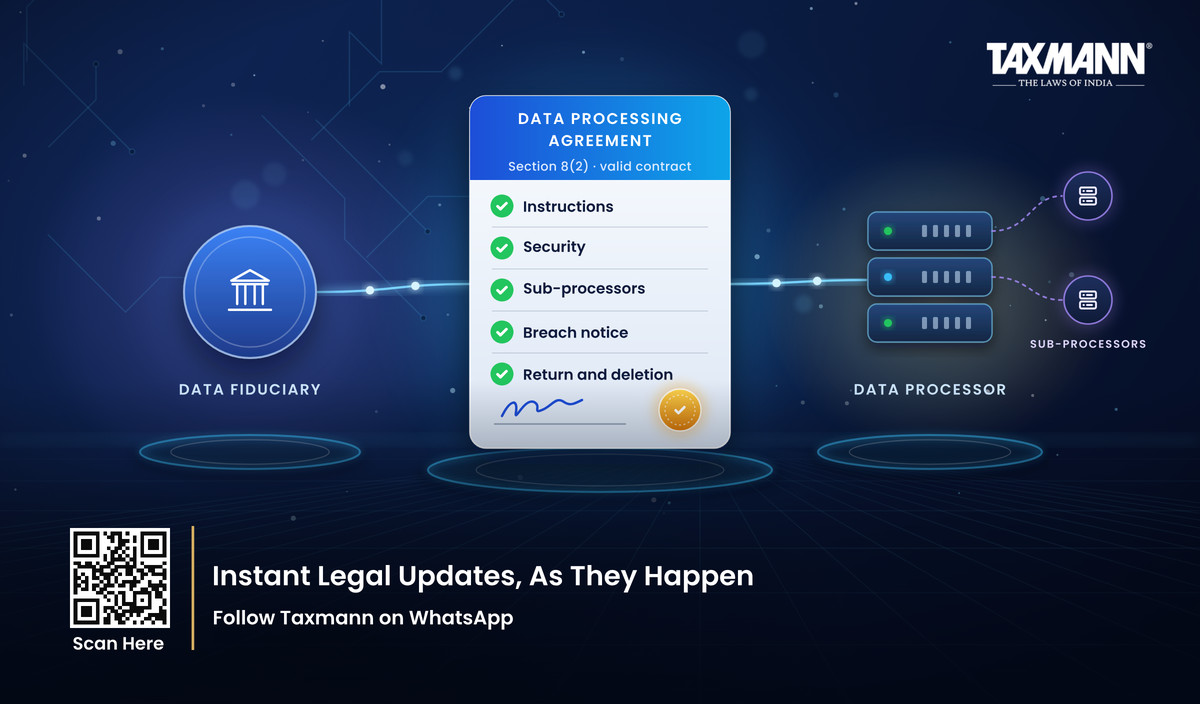
The data processing agreement under the DPDP Act: why section 8(2) needs a valid contract, how it compares with GDPR Article 28, the clauses to include, sub-processors and vendor terms.
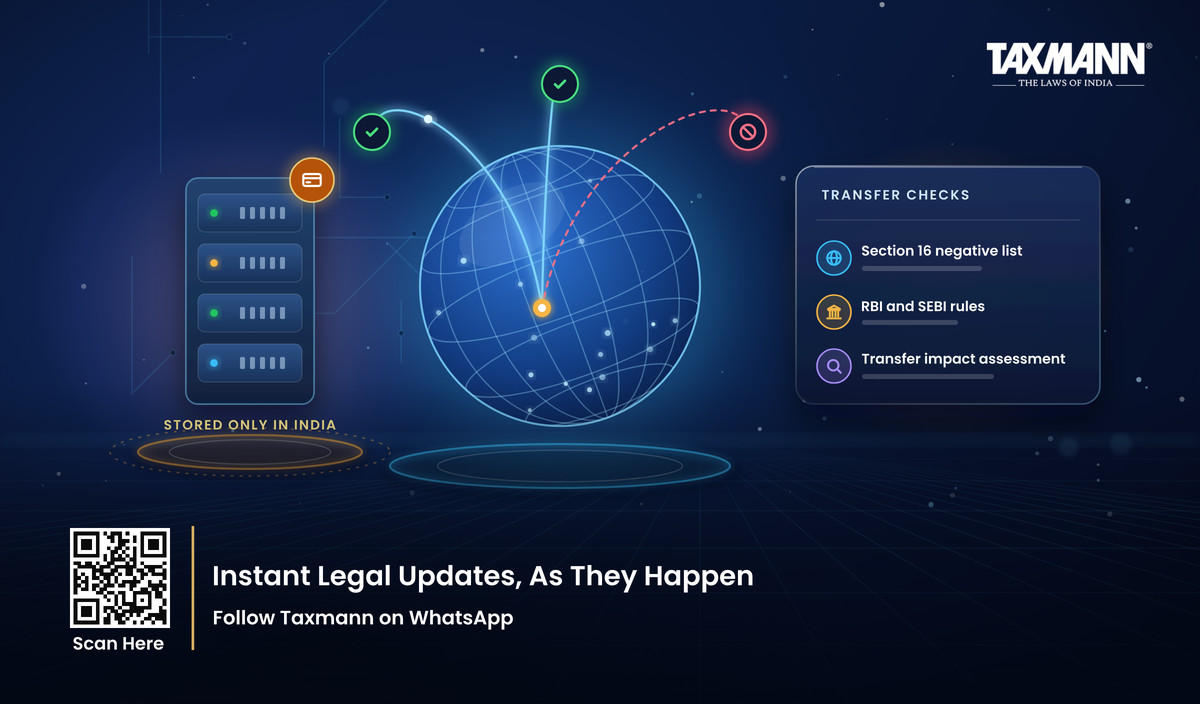
Data localisation and cross-border transfers under the DPDP Act: the section 16 negative list, Rule 15, the RBI payment data rule, the SEBI SaaS circular and transfer impact assessments.
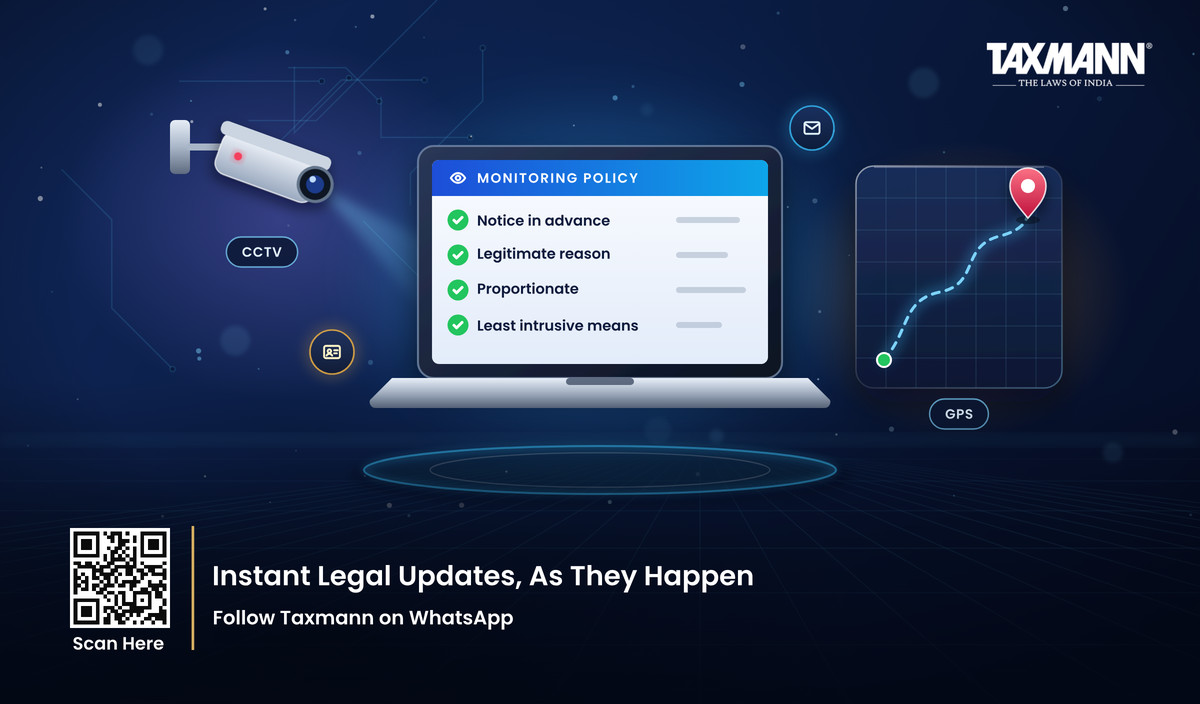
How the DPDP Act treats employee data and employee monitoring: the section 7(i) employment ground from hiring to exit, workplace consent, the employee privacy notice, and CCTV, GPS and email checks.
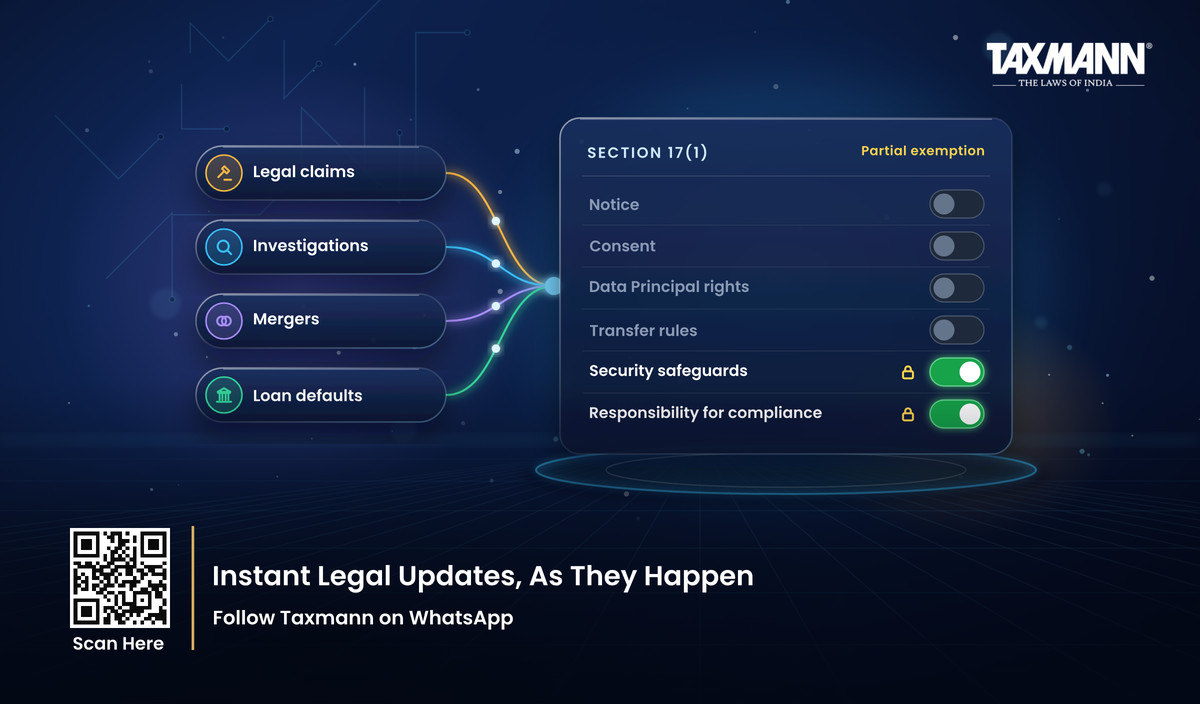
Exemptions under the DPDP Act: the six partial exemptions in section 17(1), the full exemption for notified State bodies and research, relief for startups, State processing and children’s data.
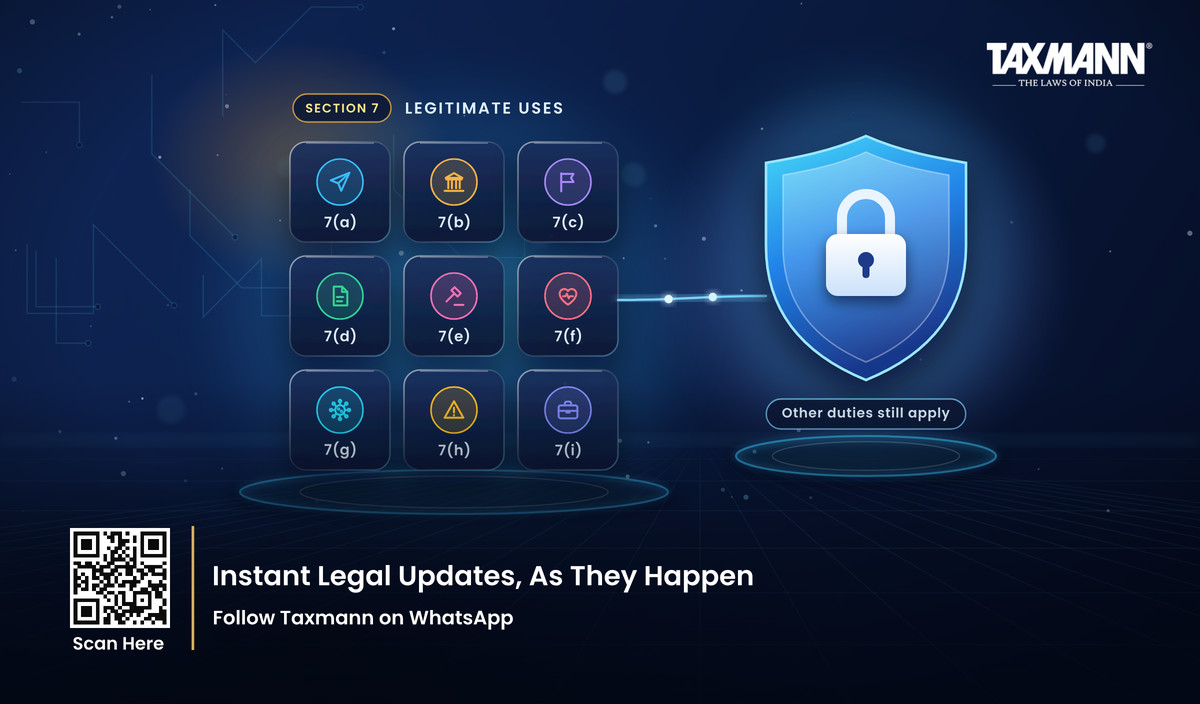
Section 7 of the DPDP Act explained: nine legitimate uses that allow processing without consent, from deemed consent to State benefits and emergencies, and how they differ from legitimate interest.
Why banks carry a social responsibility, what CSR is and its types, how ESG differs from CSR, how India’s CSR reporting grew into BRSR, and the seven sins of greenwashing.

What marketing ethics means for banks, how mis-selling happens, what makes an advertisement ethical, what fair competition looks like, and what RBI’s Fair Practices Code and customer charter require.

What work ethics means, how it differs from work ethic, how to recognise an ethical workplace, why unethical behaviour at work happens and how to fix it, and what a banker owes.










 CA | CS | CMA


