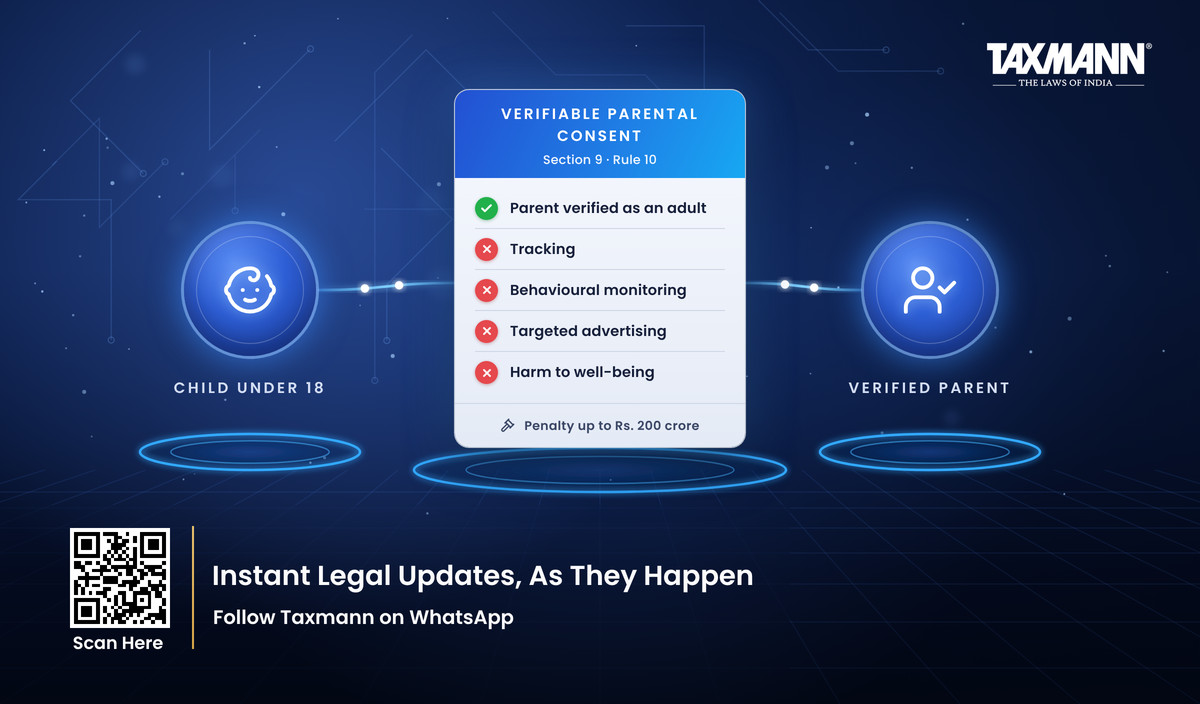
Processing children’s personal data under section 9 and Rules 10 to 12: verifiable parental consent and the two verification pathways, the categorical prohibitions on tracking, behavioural monitoring and targeted advertising, the five exempt classes and six exempt purposes in the Fourth Schedule, and guardian verification for persons with disability under Rule 11.
Tag: Data Protection
India’s data protection regime under the Digital Personal Data Protection Act, 2023 and the Digital Personal Data Protection Rules, 2025.
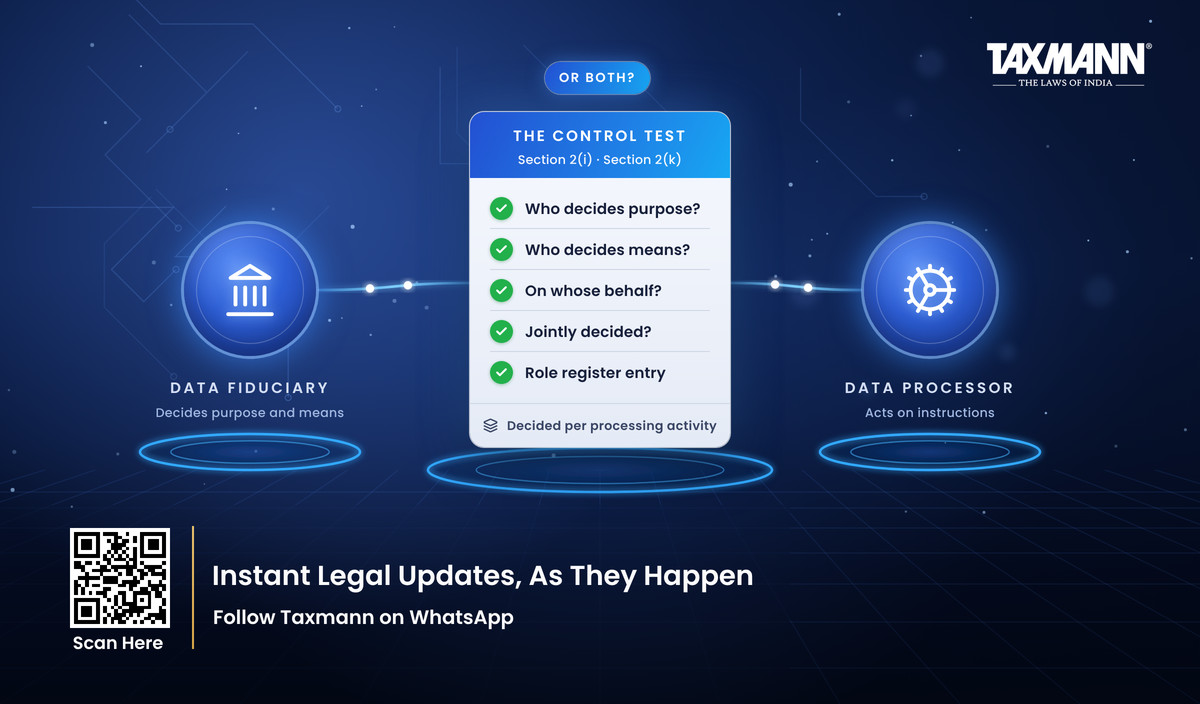
Determining and documenting the role under sections 2(i) and 2(k): the control test, joint fiduciary status under the phrase “in conjunction with other persons”, the five fields every role determination must record, the minimum that section 8(2) and Rule 6(1)(f) set for the processor contract, and the obligations a Data Processor actually bears.
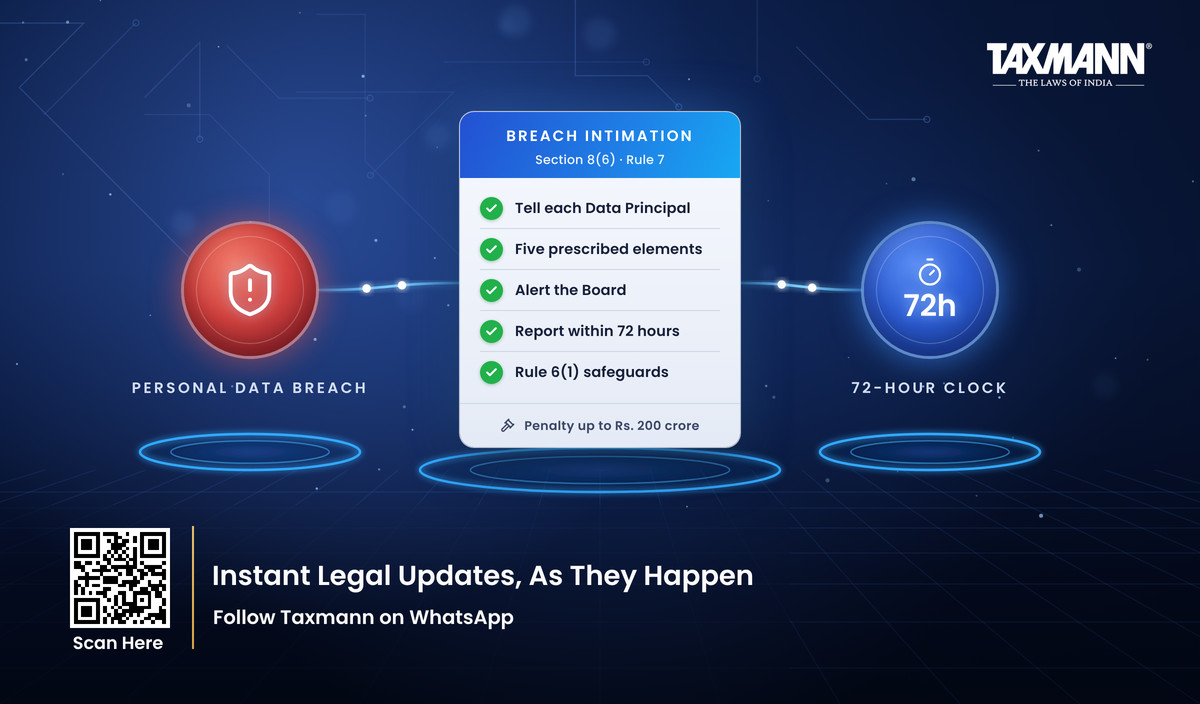
Personal data breach intimation under section 8(6) and Rule 7: the five elements owed to every affected Data Principal, the two-stage filing with the Board, when the seventy-two-hour clock starts, the seven minimum safeguards under Rule 6(1), and the penalty exposure under the Schedule.
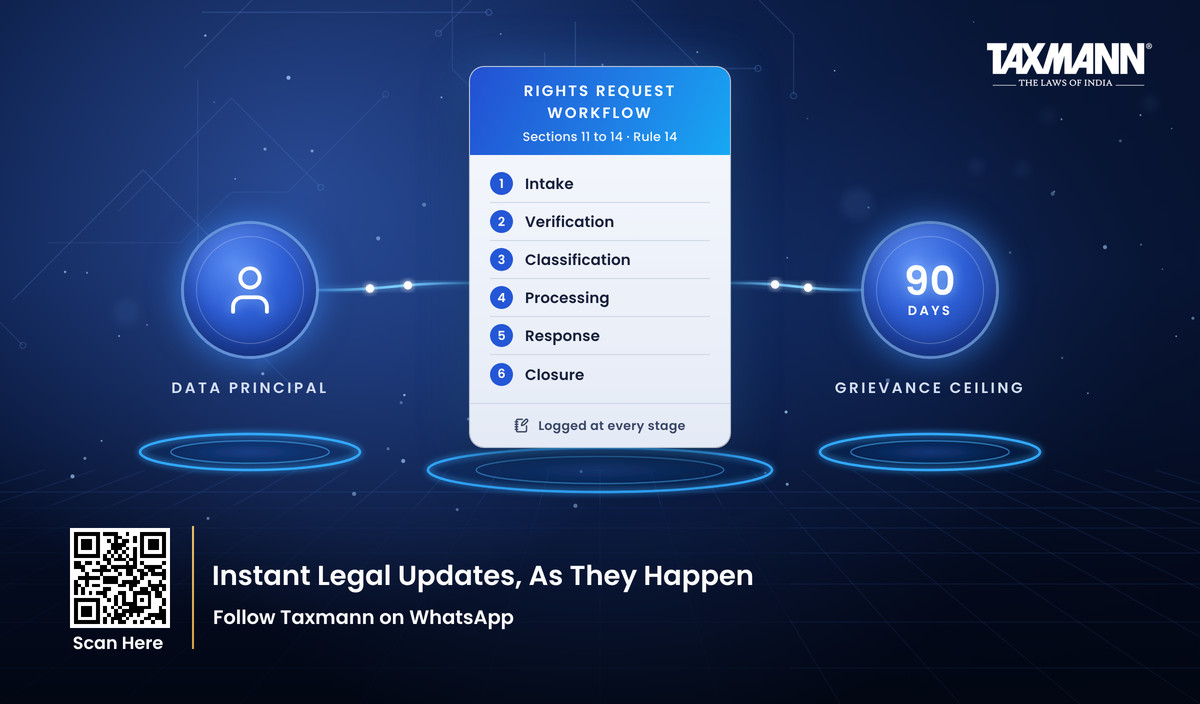
Handling Data Principal rights requests under sections 11 to 15 and Rule 14: the six-stage fulfilment workflow, the request log, when erasure may be refused, deferred erasures, the ninety-day grievance ceiling and the exhaustion requirement under section 13(3).
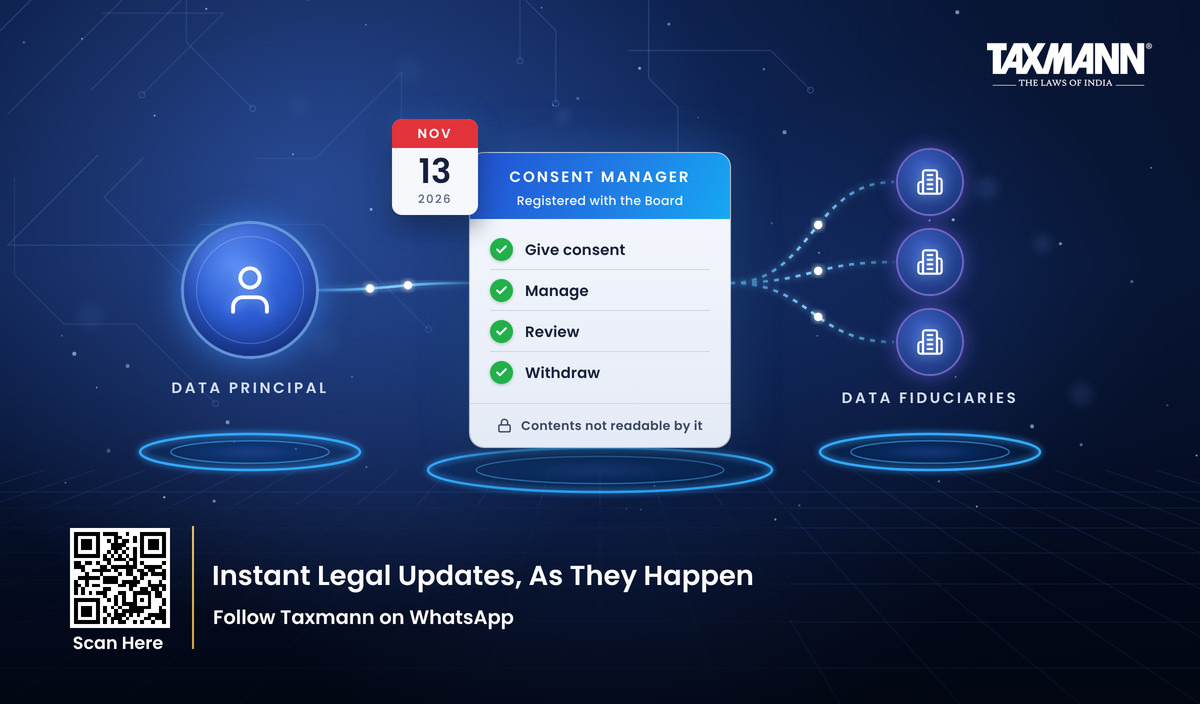
Consent Managers under section 6(7) to (9), Rule 4 and the First Schedule: the nine conditions for registration with the Board, the thirteen categories of obligation, the no-read constraint, the seven-year record retention requirement, and the 13 November 2026 commencement date.
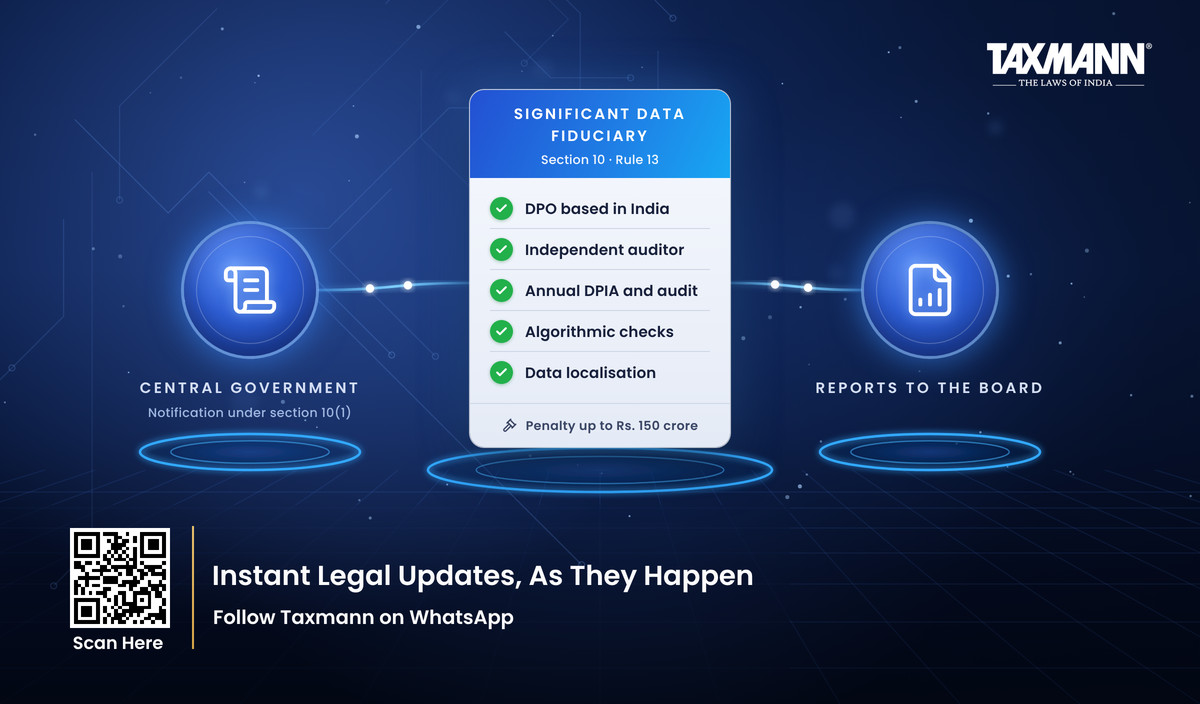
Significant Data Fiduciary obligations under section 10 and Rule 13: the six notification criteria, the four conditions governing the Data Protection Officer, the annual independent data audit and DPIA with Board reporting, the Rule 13(3) algorithmic risk assessment and the localisation power.
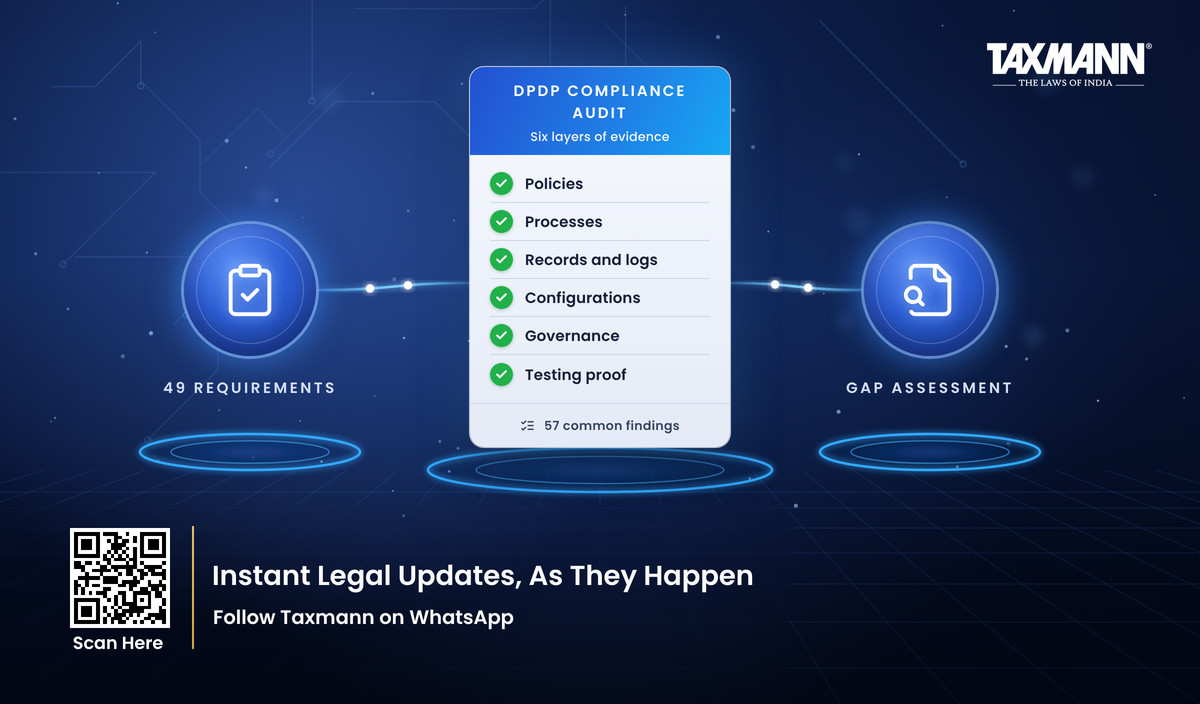
How a DPDP compliance audit is conducted: who must appoint an independent data auditor, what the evidence framework must produce, the 49 testable requirements in the Consolidated Requirements Register, and the 57 findings that recur in practice.
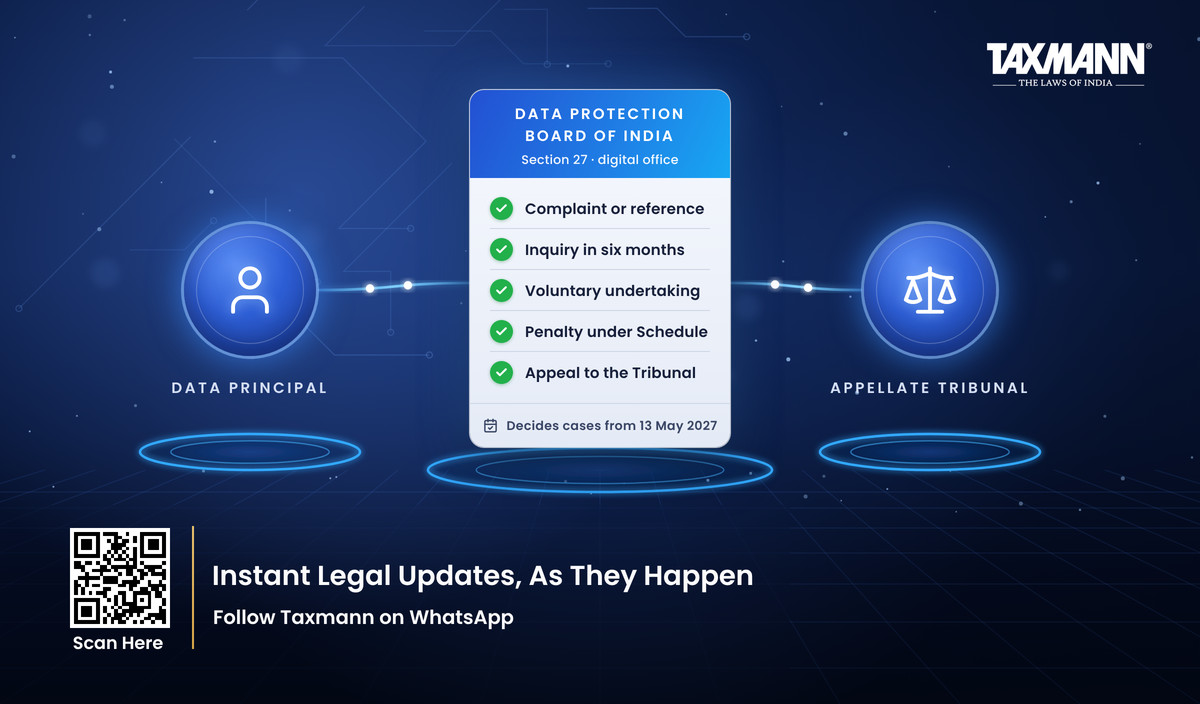
The Data Protection Board of India: how it is constituted, the five actions it may take under section 27, the six-month inquiry timeline, the penalty Schedule and the appeal to the Appellate Tribunal.
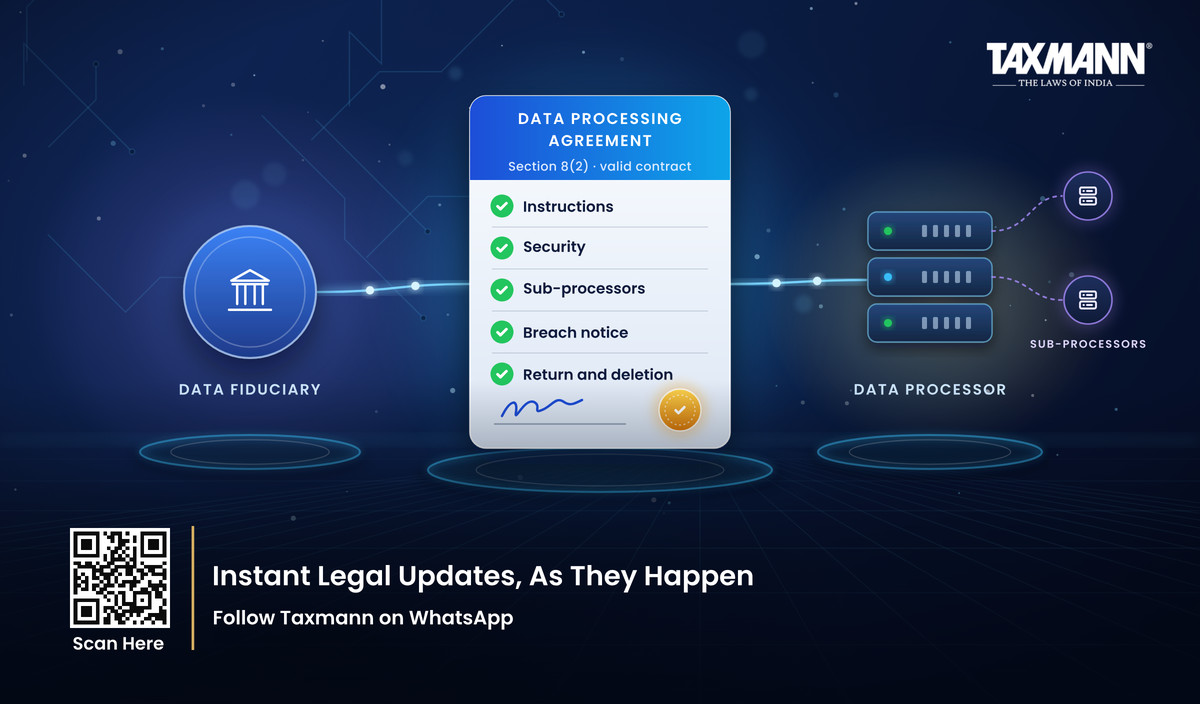
The data processing agreement under the DPDP Act: why section 8(2) needs a valid contract, how it compares with GDPR Article 28, the clauses to include, sub-processors and vendor terms.
Data localisation and cross-border transfers under the DPDP Act: the section 16 negative list, Rule 15, the RBI payment data rule, the SEBI SaaS circular and transfer impact assessments.














 CA | CS | CMA


