The 30, 60 and 120-day windows for registering a charge, who files under sections 77 and 78, satisfaction of a charge in Form CHG-4, condonation by the Regional Director in Form CHG-8, and the penalties under section 86.
Author: Taxmann
Taxmann Publications has a dedicated in-house Research & Editorial Team. This team consists of a team of Chartered Accountants, Company Secretaries, and Lawyers. This team works under the guidance and supervision of editor-in-chief Mr Rakesh Bhargava.
The Research and Editorial Team is responsible for developing reliable and accurate content for the readers. The team follows the six-sigma approach to achieve the benchmark of zero error in its publications and research platforms. The team ensures that the following publication guidelines are thoroughly followed while developing the content:
- The statutory material is obtained only from the authorized and reliable sources
- All the latest developments in the judicial and legislative fields are covered
- Prepare the analytical write-ups on current, controversial, and important issues to help the readers to understand the concept and its implications
- Every content published by Taxmann is complete, accurate and lucid
- All evidence-based statements are supported with proper reference to Section, Circular No., Notification No. or citations
- The golden rules of grammar, style and consistency are thoroughly followed
- Font and size that's easy to read and remain consistent across all imprint and digital publications are applied

How the Board borrows under section 179(3)(d), when section 180(1)(c) requires a special resolution, what counts as a temporary loan, when a private company is exempt, and the approvals to line up before a company borrows.

Who can issue a convertible note in India, the Rs. 25 lakh single-tranche test, the ten-year window, valuation caps and discounts, the FEMA conditions for foreign investors, and when a note becomes a deposit.
Form DPT-3 is due by 30 June every year, with figures as on 31 March. Who must file it, why exempted receipts such as loans from directors still go into it, when the auditor must certify the figures, and what a late or wrong return costs.
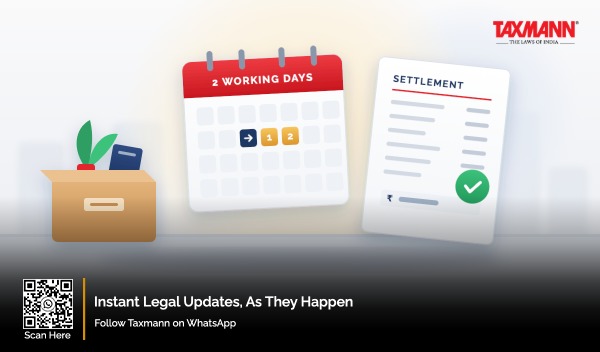
Section 17 of the Code on Wages 2019 requires wages payable on exit to be paid within two working days. Trigger dates, what to pay first and the exit workflow.
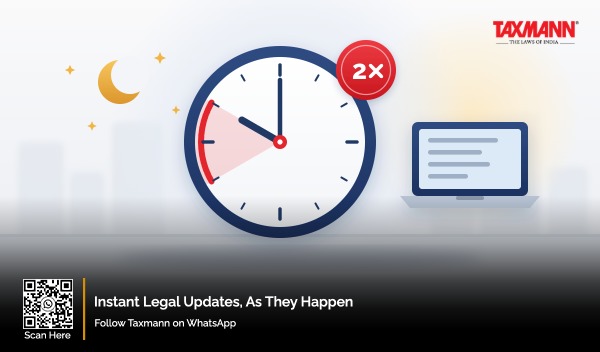
Section 14 of the Code on Wages 2019 requires overtime at not less than twice the normal rate of wages. Normal working day, eligibility, calculation, records.
Section 5 of the Code on Wages 2019 bars pay below the notified minimum wage. How to map State, location and skill category, and test actual wages, not CTC.
Treating CTC as wages heads the 34 common payroll mistakes in Taxmann’s HR Guide to Code on Wages. The control for each and the monthly exception report.
Section 55 of the OSHWC Code makes the principal employer liable if a contractor fails to pay or short-pays wages. Monthly checks, invoice holds and scorecard.
Rule 6 of the Central OSHWC Rules makes an appointment letter mandatory. What the format asks for, what the annexure should show and the clauses to redraft.










 CA | CS | CMA


