Monthly payroll under the Code on Wages 2019 should close only after compliance checks. The payroll calendar, reconciliations, exception report and scorecard.
Author: Taxmann
Taxmann Publications has a dedicated in-house Research & Editorial Team. This team consists of a team of Chartered Accountants, Company Secretaries, and Lawyers. This team works under the guidance and supervision of editor-in-chief Mr Rakesh Bhargava.
The Research and Editorial Team is responsible for developing reliable and accurate content for the readers. The team follows the six-sigma approach to achieve the benchmark of zero error in its publications and research platforms. The team ensures that the following publication guidelines are thoroughly followed while developing the content:
- The statutory material is obtained only from the authorized and reliable sources
- All the latest developments in the judicial and legislative fields are covered
- Prepare the analytical write-ups on current, controversial, and important issues to help the readers to understand the concept and its implications
- Every content published by Taxmann is complete, accurate and lucid
- All evidence-based statements are supported with proper reference to Section, Circular No., Notification No. or citations
- The golden rules of grammar, style and consistency are thoroughly followed
- Font and size that's easy to read and remain consistent across all imprint and digital publications are applied

A 30-60-90 day plan for labour code implementation under the Code on Wages 2019: Day 0 decisions, owners and outputs, risks and the test of completion.

The Payment of Wages Act 1936 is repealed. Sections 15 to 17 of the Code on Wages 2019 now set the wage period, payment time limits and mode of payment.

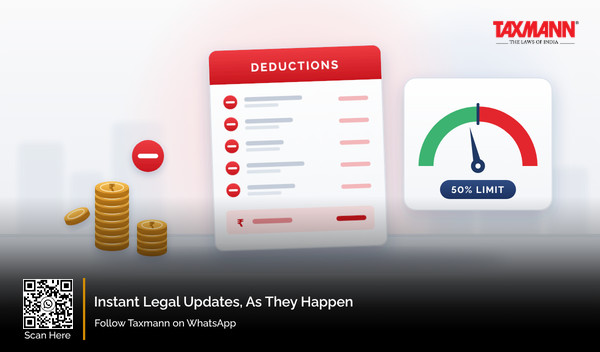
Section 18 of the Code on Wages 2019 allows only authorised deductions from wages, capped at 50% per wage period. How LOP, notice pay, advances and fines work.
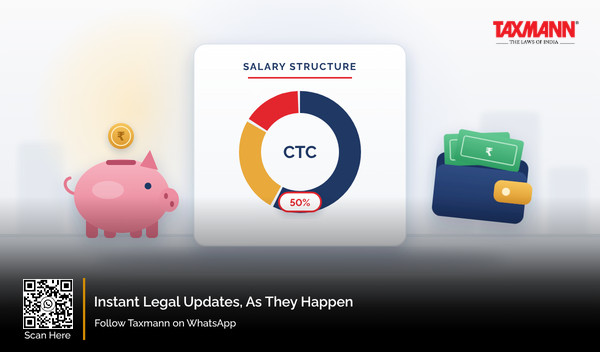
Basic pay need not be exactly 50% of CTC. How the 50% wage test under section 2(y) works on a salary structure, with restructuring examples at four CTC levels.
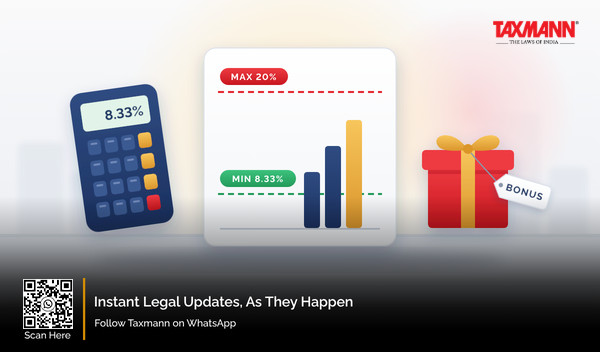
Section 26 of the Code on Wages 2019 sets statutory bonus at 8.33% to 20% of wages earned. Eligibility tests, the computation flow and worked examples.
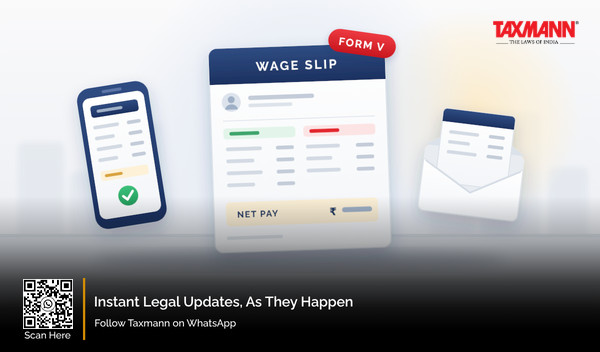
Section 50 of the Code on Wages 2019 requires wage slips in the prescribed form. What Form V covers, a sample layout, LOP presentation and payroll controls.
Why a bond is a debenture under section 2(30), when a debenture or a loan becomes a deposit under section 2(31) and the Deposit Rules, how the courts tell a loan from a deposit, and the three instruments side by side.

Which companies still need a debenture redemption reserve after the 2019 amendment to rule 18(7), the 15% investment due by 30 April, what happens when there are no profits, and when a debenture trustee and trust deed are required.

Which lenders a private company can borrow from: directors, relatives of directors, members and other companies. The declaration that keeps a director’s loan outside the Deposit Rules, the limits on members’ money, and the income-tax points on cash and TDS.










 CA | CS | CMA


