The 5 V’s and other characteristics of big data explained from IIBF’s Emerging Technologies courseware, with how big data differs from traditional data, its architecture and its uses in banking.
Author: Taxmann
Taxmann Publications has a dedicated in-house Research & Editorial Team. This team consists of a team of Chartered Accountants, Company Secretaries, and Lawyers. This team works under the guidance and supervision of editor-in-chief Mr Rakesh Bhargava.
The Research and Editorial Team is responsible for developing reliable and accurate content for the readers. The team follows the six-sigma approach to achieve the benchmark of zero error in its publications and research platforms. The team ensures that the following publication guidelines are thoroughly followed while developing the content:
- The statutory material is obtained only from the authorized and reliable sources
- All the latest developments in the judicial and legislative fields are covered
- Prepare the analytical write-ups on current, controversial, and important issues to help the readers to understand the concept and its implications
- Every content published by Taxmann is complete, accurate and lucid
- All evidence-based statements are supported with proper reference to Section, Circular No., Notification No. or citations
- The golden rules of grammar, style and consistency are thoroughly followed
- Font and size that's easy to read and remain consistent across all imprint and digital publications are applied
Public, private, hybrid and consortium blockchains explained from IIBF’s Emerging Technologies courseware, with how the types of blockchain differ and how banks use blockchain.

Expert systems and knowledge management systems explained from IIBF’s Emerging Technologies courseware: components, rule-based, fuzzy and hybrid types, benefits, limitations and uses.
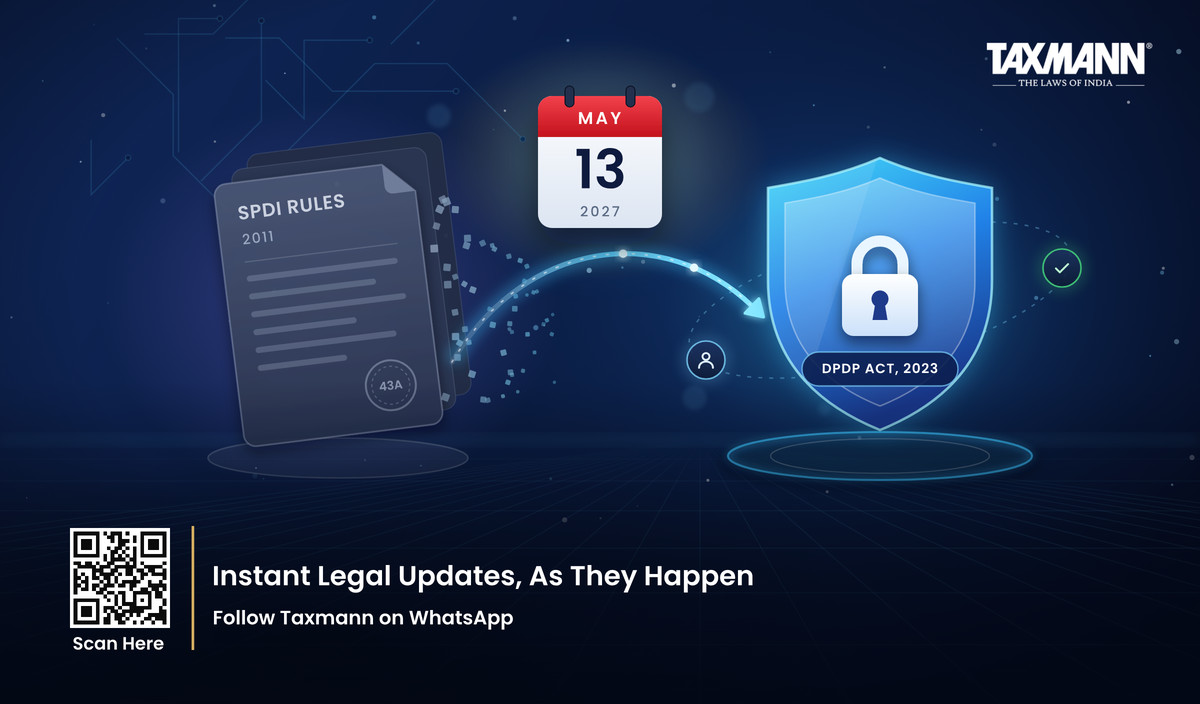
What the SPDI Rules, 2011 require, how the DPDP Act and the 2025 Rules differ on scope, consent, rights, security, breaches and penalties, and why section 43A still applies until 13 May 2027.
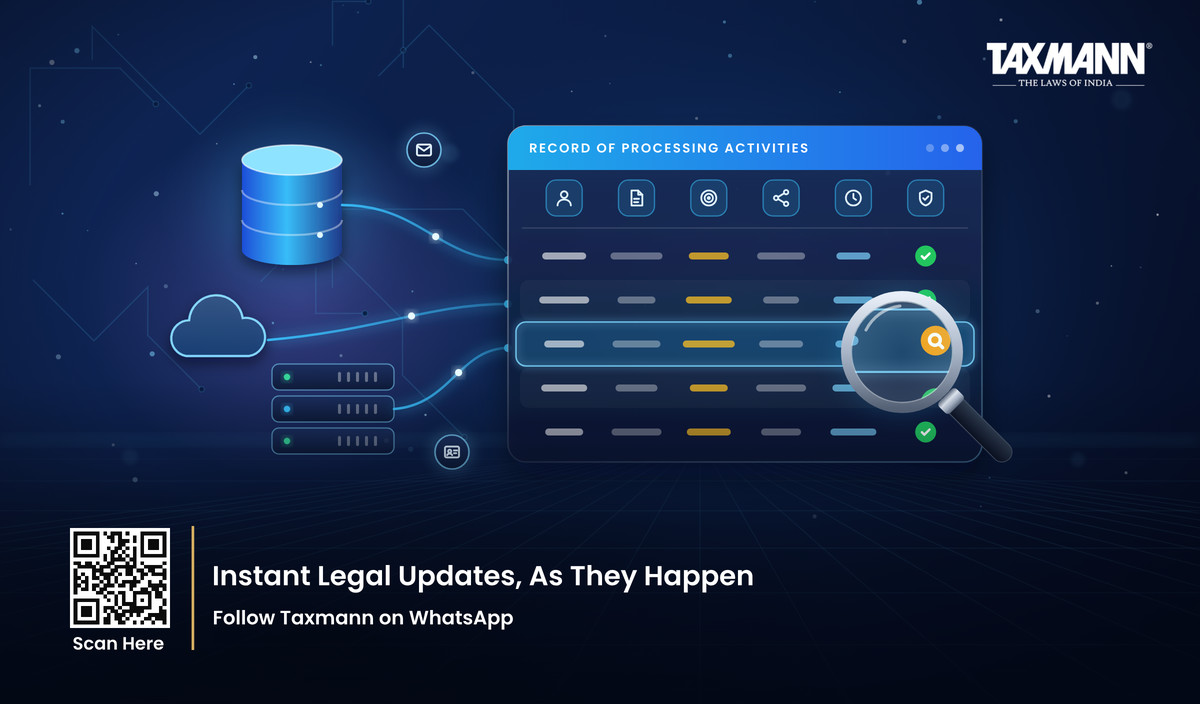
ROPA, the record of processing activities: how data mapping feeds it, the fields in controller and processor records, how often to review it, and why India has no ROPA duty but still needs the record.
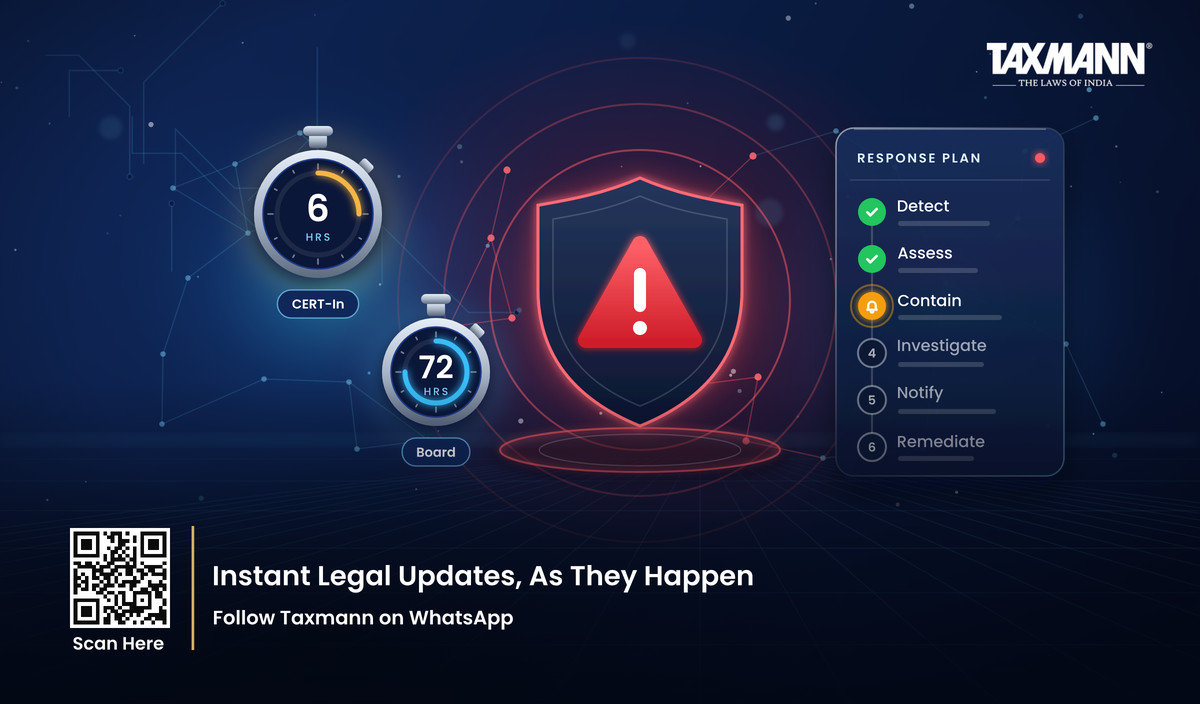
The incident response plan under the DPDP Act and the CERT-In Directions: incident v breach, India’s reporting clocks, the response team, six phases, the two-tier incident register and the Board.
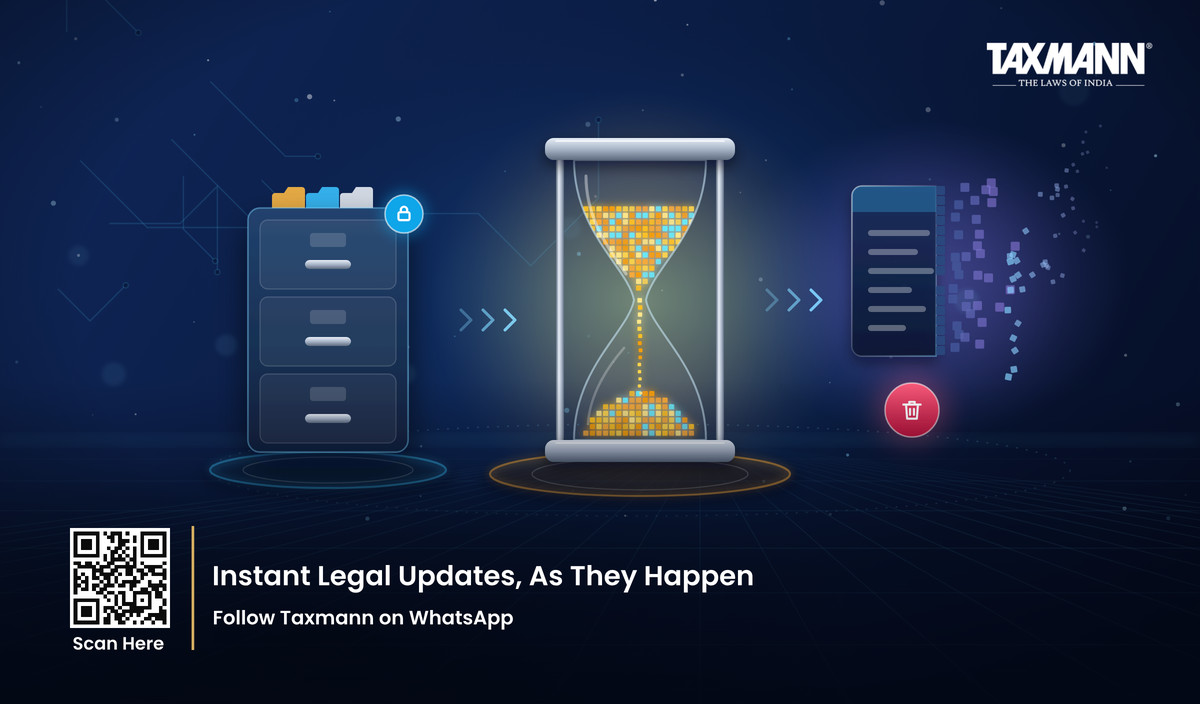
How long personal data may be kept under the DPDP Act: section 8(7) erasure, when a purpose is no longer served, Rule 8 and the Third Schedule, deletion methods and lessons from European cases.
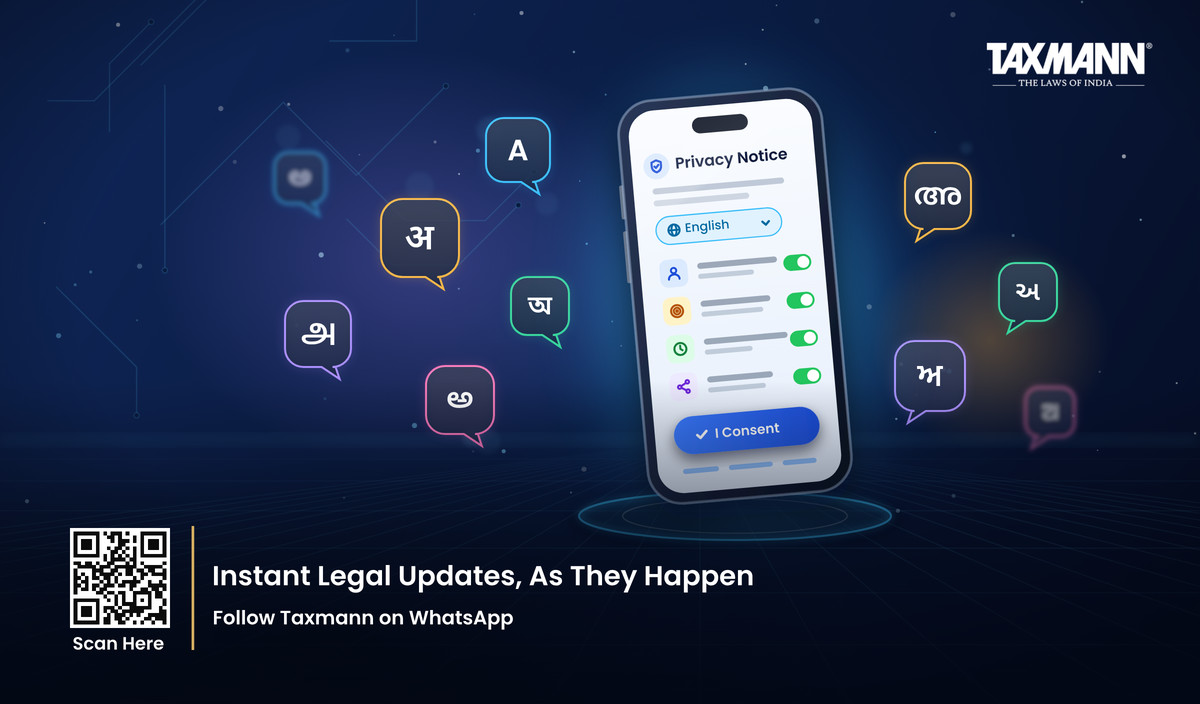
A privacy notice under the DPDP Act: section 5 and Rule 3 requirements, a GDPR comparison, notice versus policy, why acknowledgement is not consent, legacy consent and a two-part template.
What corruption and white-collar crime mean, how petty and grand corruption differ, why bribery persists, how laundering hides the proceeds, and how ethics helps a bank fight back.
How a code of ethics differs from a code of conduct, why a bank needs a written code, how to write one that works, why codes fail, and what a bank’s Ethics Manual should contain.









 CA | CS | CMA


