Audit Sampling Remains Key Despite AI Adoption
- Blog|News|Account & Audit|
- 2 Min Read
- By Taxmann
- |
- Last Updated on 15 January, 2026
Latest from Taxmann


Introduction
Artificial Intelligence has become one of the most transformative forces in professional services, including accounting and auditing. The modern auditor is no longer limited to spreadsheets, manual verification, or basic computer tools. Instead, AI powered solutions can quickly test entire data sets, detect unusual patterns, highlight anomalies, and interpret complex data relationships.
However, the rise of AI raises important questions:
• Does audit sampling still matter?
• If AI can test everything, why test only a sample?
• Will sampling become obsolete?
• Can AI replace auditor judgment?
• Can testing full populations detect fraud better than sampling?
To effectively evaluate these questions, this article examines various areas.
1. The Foundation of Audit Sampling
Audit sampling involves selecting less than 100% of a population and making conclusions about the whole. Standards like ISA 530 and SA 530 formally define and require sampling when full-population testing is impractical or unnecessary.
Reasons for Sampling
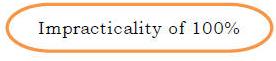
Even with AI, full-population testing is time-consuming and economically inefficient, making audit sampling essential.

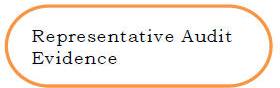
Audits focus on material items, and sampling ensures attention is directed toward significant transactions rather than immaterial data.


Click Here To Read The Full Story
Disclaimer: The content/information published on the website is only for general information of the user and shall not be construed as legal advice. While the Taxmann has exercised reasonable efforts to ensure the veracity of information/content published, Taxmann shall be under no liability in any manner whatsoever for incorrect information, if any.

Taxmann Publications has a dedicated in-house Research & Editorial Team. This team consists of a team of Chartered Accountants, Company Secretaries, and Lawyers. This team works under the guidance and supervision of editor-in-chief Mr Rakesh Bhargava.
The Research and Editorial Team is responsible for developing reliable and accurate content for the readers. The team follows the six-sigma approach to achieve the benchmark of zero error in its publications and research platforms. The team ensures that the following publication guidelines are thoroughly followed while developing the content:
- The statutory material is obtained only from the authorized and reliable sources
- All the latest developments in the judicial and legislative fields are covered
- Prepare the analytical write-ups on current, controversial, and important issues to help the readers to understand the concept and its implications
- Every content published by Taxmann is complete, accurate and lucid
- All evidence-based statements are supported with proper reference to Section, Circular No., Notification No. or citations
- The golden rules of grammar, style and consistency are thoroughly followed
- Font and size that’s easy to read and remain consistent across all imprint and digital publications are applied
Everything on Tax and Corporate Laws of India
To subscribe to our weekly newsletter please log in/register on Taxmann.com








 CA | CS | CMA


